









ZEV-UP Car
- Home
- ZEV-UP Car
Concept

ZEV-UP will propose three variants of its frugal vehicle concept, which will be affordable, versatile, and modular. The vehicles will use common parts such as motors, inverters, battery, interior and exterior components, to ensure increased sustainability, durability, safety, lower operational and maintenance costs.
The primary variant is a compact two-seater vehicle designed for everyday urban use. A four-seater variant with an extended wheelbase will be offered as a family urban transportation option. This lengthier wheelbase version can also be modified into a two-seater commercial vehicle, featuring two seats for passengers and a separate loading area to transport goods.
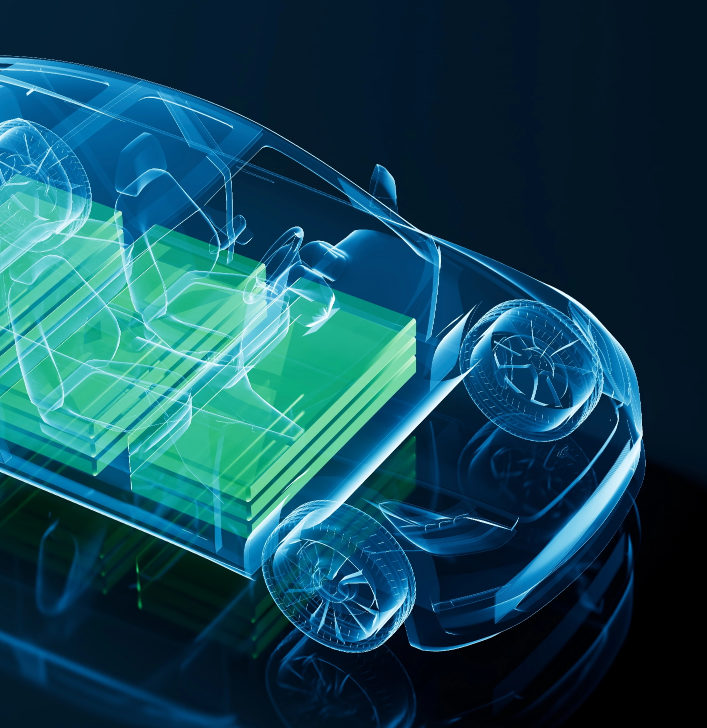
In all three variants, the battery will be swappable and available through a battery service, reducing the cost of the vehicle and overcoming concerns regarding the battery lifecycle and energy efficiency.
Innovations
To boost the adoption of electric vehicles by the wider public, ZEV-UP will introduce technological innovations in vehicle design and charging solutions, including:
Vehicle platform modularity
Scalable chassis
Lightweight and sustainable materials for L7e vehicles
Reduced material usage
Local production strategy of spare parts
Innovative individual wheel drive
Swappable batteries at service station
Modular battery pack
Second usage of the batteries
Solar panel charging
Impact and benefits

Reduced vehicle cost compared to similar existing battery electric vehicles (BEVs)

Lighter weight of some components compared to a conventional chassis design, resulting in a lighter yet robust vehicle platform

Lower environmental impact compared to similar BEVs in this class (L7e), including reduced energy consumption, adequate range, component reusability, and use of sustainable materials

Shorter development time and reduced validation costs due to the use of a virtual tool (Digital Twin)

Use of common parts across vehicle versions thanks to a modular platform and body

Better utilisation of parking space due to the vehicle’s compact size

Charging time of less than two hours (until reaching 80% battery capacity) for the primary configuration with a type 2 plug

Increased range compared to similar vehicles
